Sustainable living
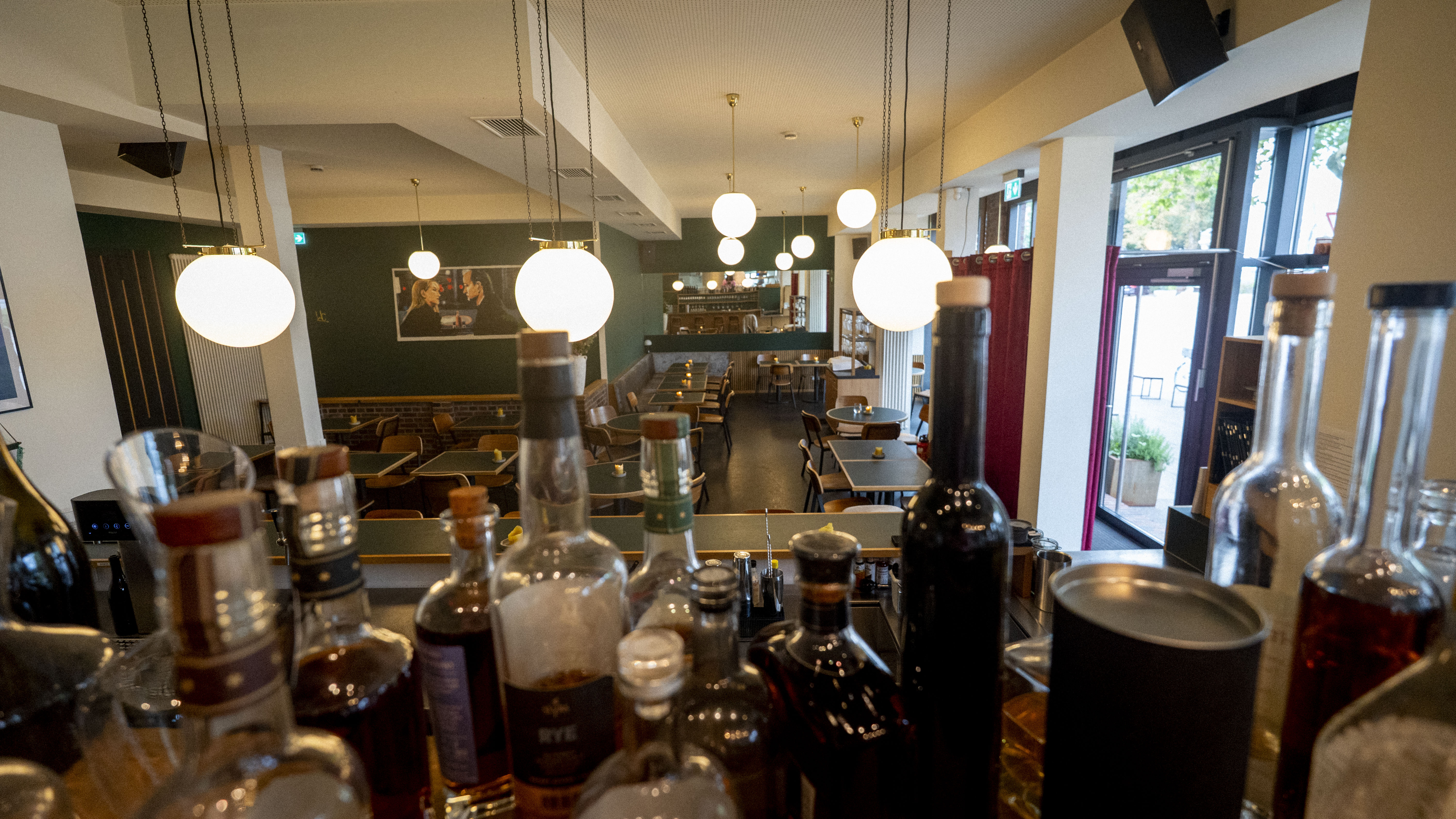
In the Michelin Green Star Restaurant Klinker in Hamburg, conscious decisions, clear processes and durable technology shape daily kitchen operations.

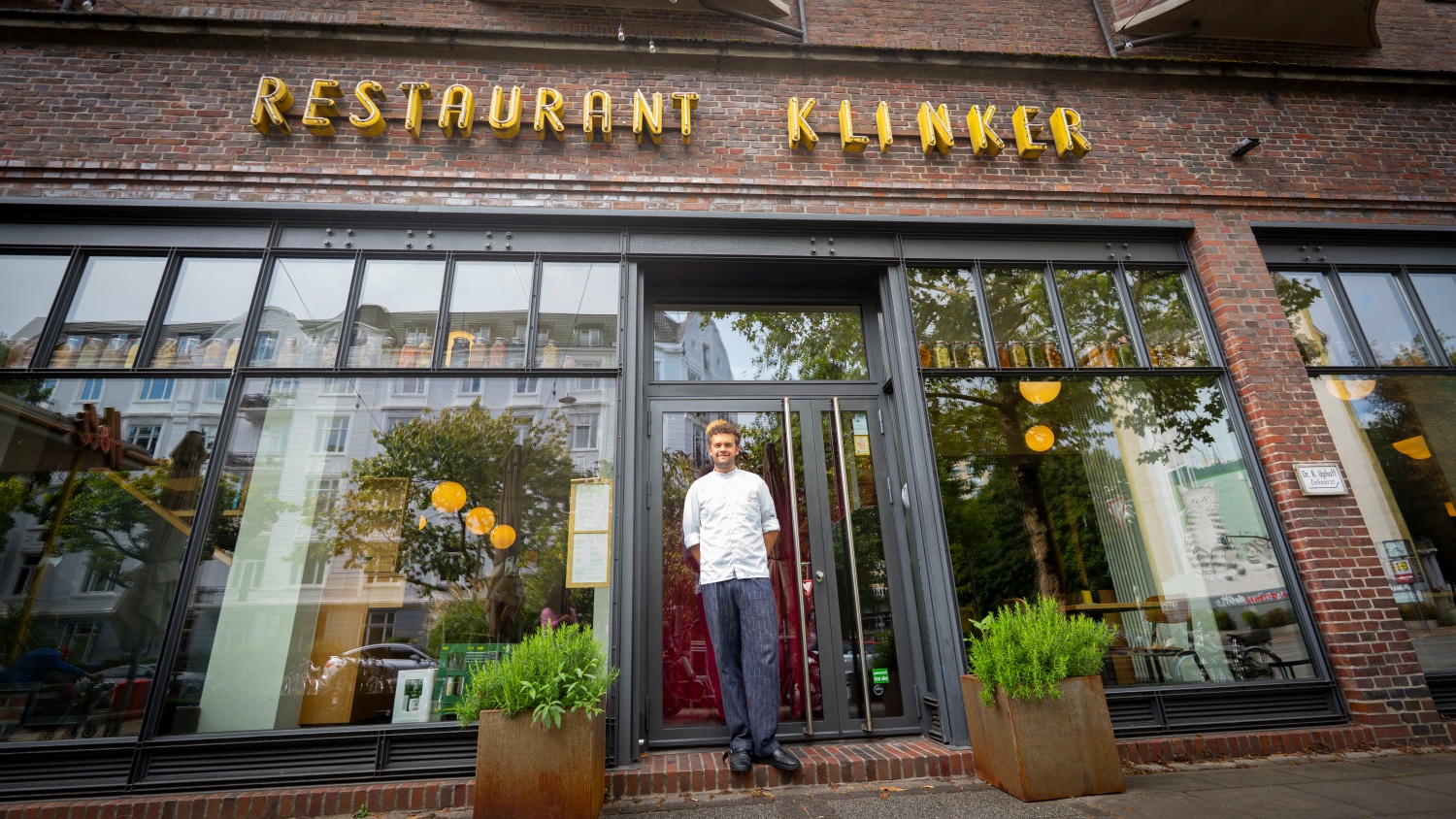
Quick Facts:
Branch: Gastronomy
Location: Hamburg, Germany
Award: Michelin Green Star
Culinary concept: Sustainable cuisine with a focus on regional and seasonal produce as well as traditional craftsmanship
Philosopy: Responsible use of food, energy and working hours
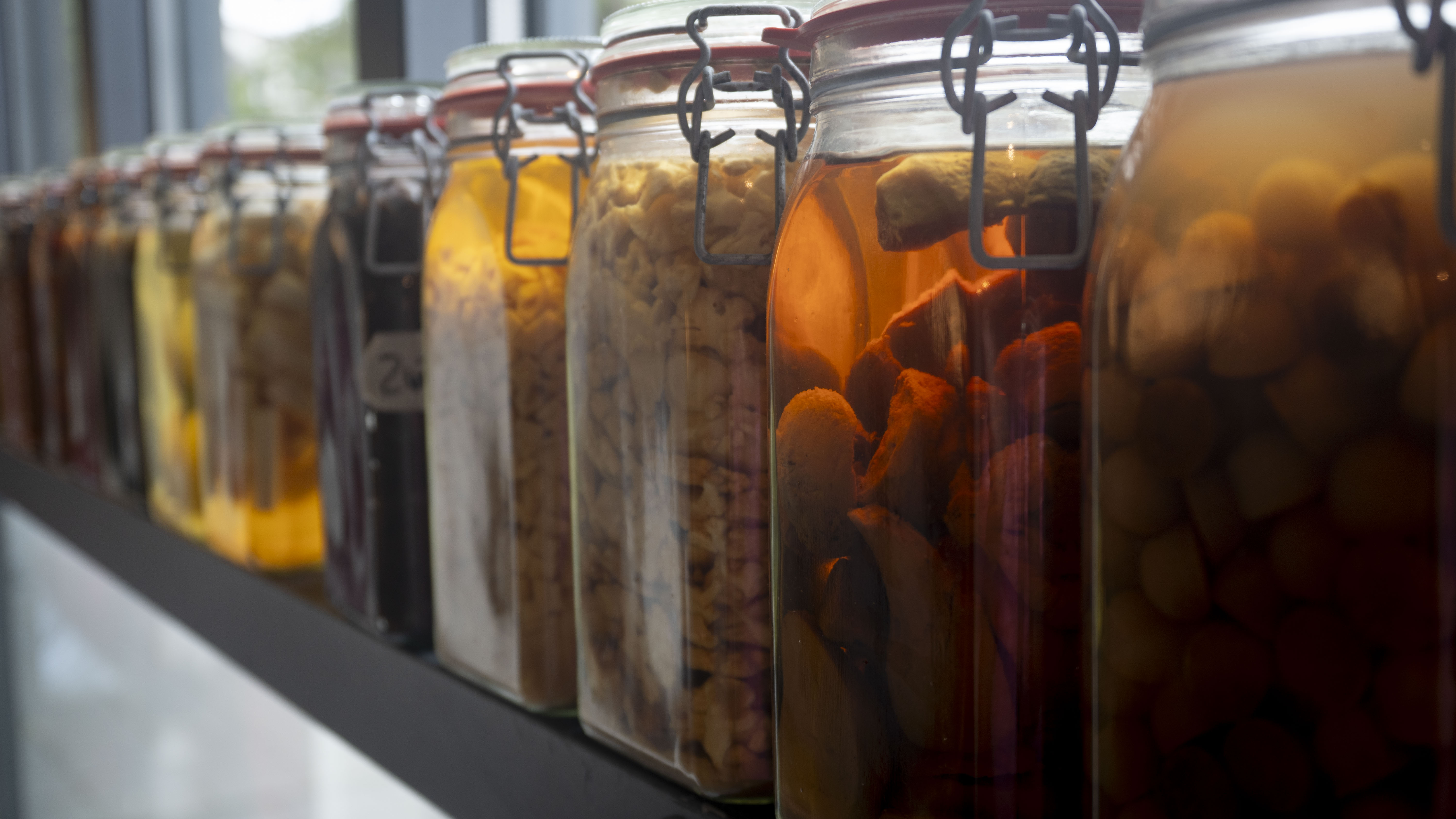
Food processing methods: Fermentation, canning, food preservation and cyclic product planning
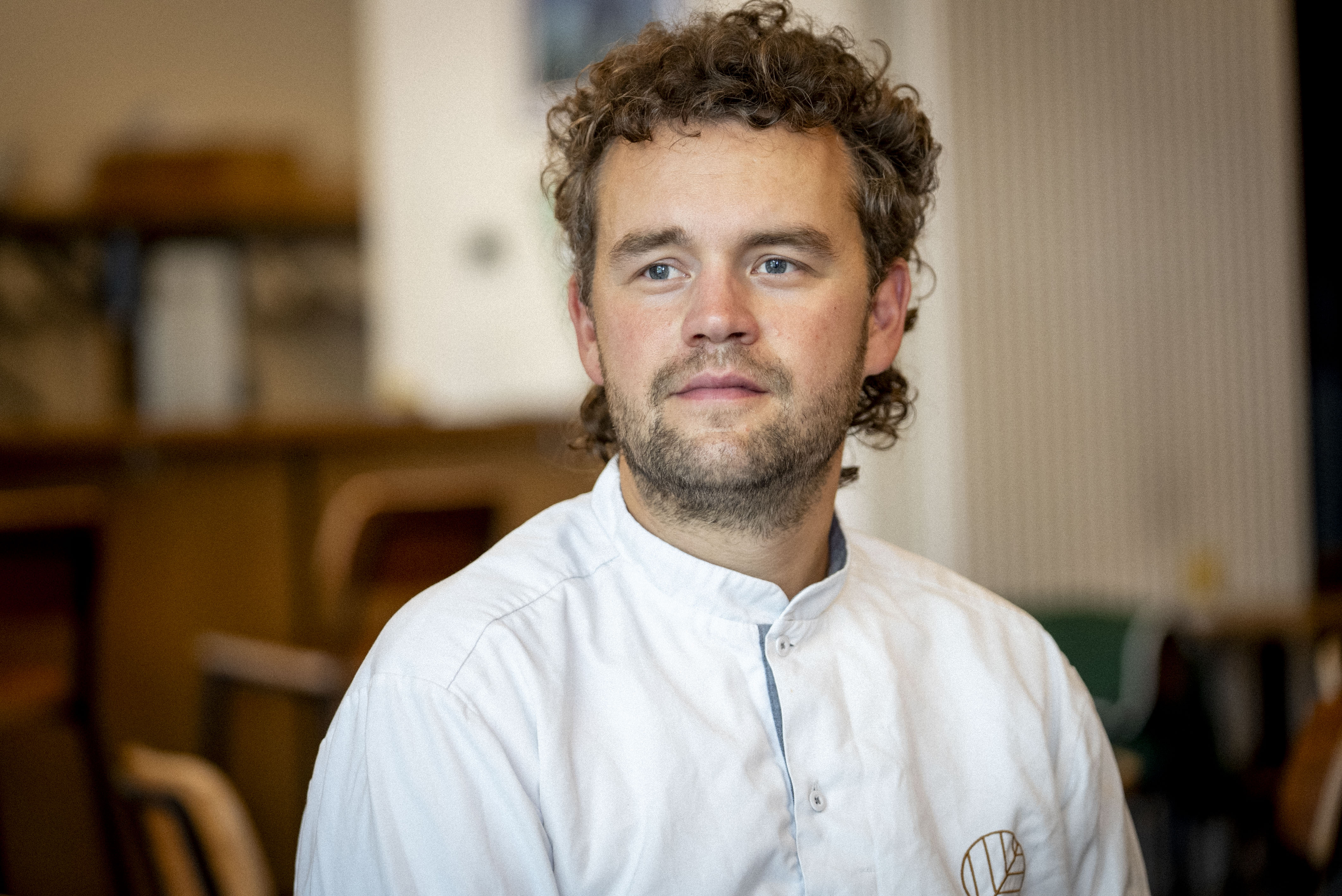
The Restaurant Klinker in Hamburg is a kitchen that does not just preach responsiblity, but actually lives it. Together with Marianus von Hörsten, the team pursues an approach to embed sustainability into every aspect of their work – from product selection and fair working structures to efficient use of energy, time and resources.
Book a consultation
In Restaurant Klinker, it was evident at a very early stage that sustainability had to be much more than just a statement on paper. For Marianus von Hörsten and his team, it meant thinking about responsibility holistically – starting from the origin of products and fair, realistic working hours to a conscious use of energy, time and resources.
However, this objective also presented the business with real challenges in the daily routine. Masterful craftmanship, fluctuating workloads and limited resources clash directly in the kitchen. Guests should be able to experience at first hand the quality of the products and the team's expertise - without any need for preaching or doing without certain products. Vegetarian products should be convincing because of their great flavour and not because they aim to be sustainable. Meat is used consciously and not just for staged eating. At the same time, the business has to operate efficiently, employees cannot be continuously overworked and processes have to demonstrate long-term sustainability.
The challenge lay in reliably implementing this goal in every day kitchen operations - under real conditions, with increasing demands and the aim of continuously balancing sustainability, quality and practicality.
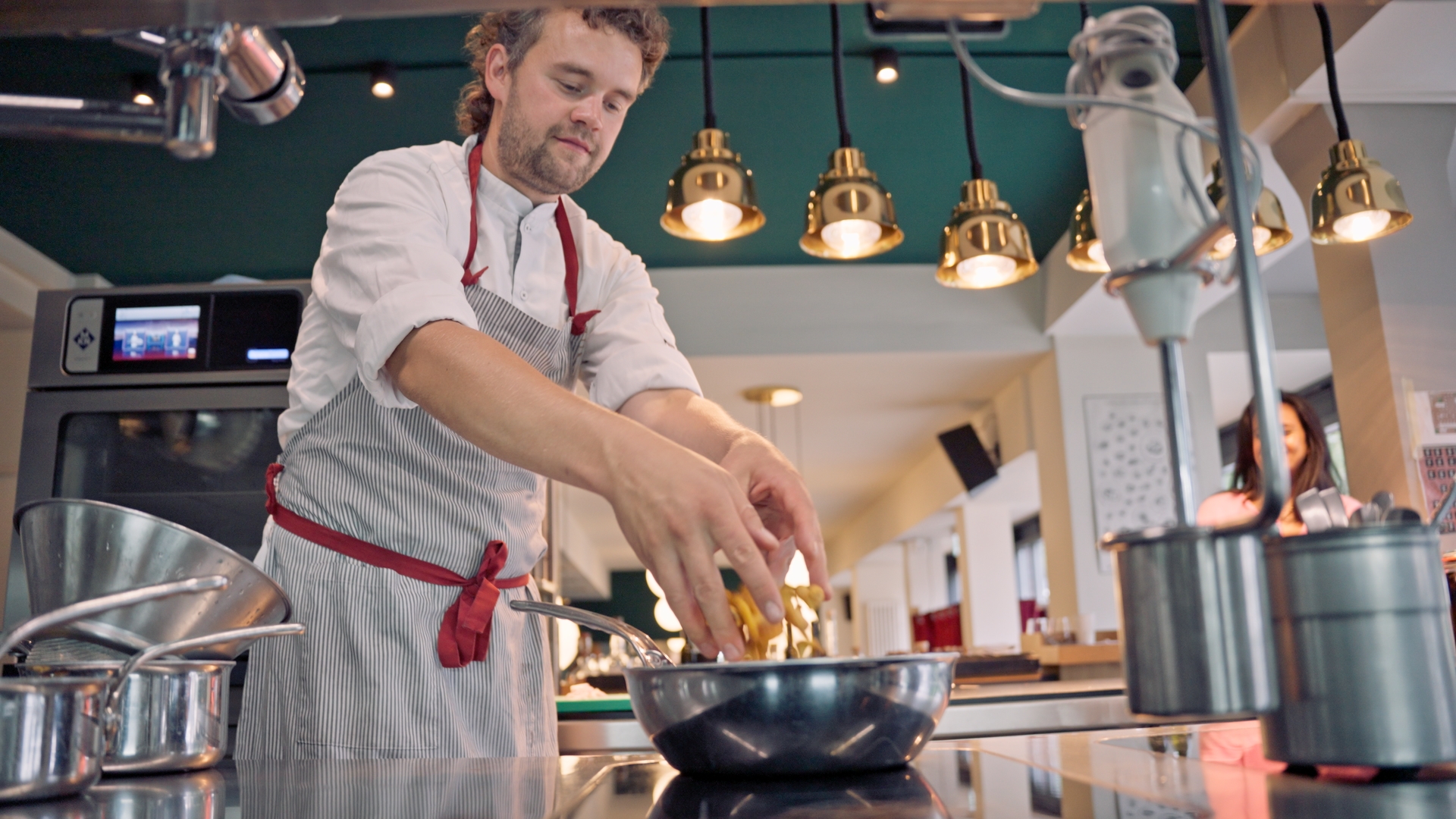
The Restaurant Klinker relies on well-planned structures and a kitchen combining efficiency and durability to practise sustainability every day. Energy consumption, time and stability play a central role. Less energy consumption means lower costs and at the same time, a more conscious use of resources. Faster processes make time for craftsmanship and quality.
High-performance, smart and energy efficient MKN cooking appliances are in use to make the daily routine easier and accelerate processes. MKN's automated cleaning functions reduce manual labour, save time and ensure a consistently high standard of hygiene. The long-term perspective is decisive - MKN's equipment is not designed for a short-term impact, but for lasting reliable operation.
Similarly, food handling has been consistently developed further. With fermentation, canning, drying, freezing and other forms of preservation, seasonal produce can be processed in larger quantities and used over long periods of time. In close cooperation with regional producers, cultivation and production cycles have been created that are planned up to two years in advance.
The Restaurant Klinker has structured, stabile workflows today that do not force sustainability, but facilitate it. Less energy is used, processes are more efficient and planable while food waste is reduced considerably. A large part of the food and beverage portfolio stems from in-house processing and preservation regardless of short-term market availability.
Both the team and the restaurant enjoy the benefits: Working hours stay manageable, peak workloads are eased and craftmanship comes back into focus. The kitchen is not designed for maximum speed, but for sustainable performance.
The Michelin Green Star award confirms these achievements, but is not the ultimate goal. It represents much more a mindset that is implemented in practice every day - step by step, with clear choices and a commitment to do things better in the long term. This is a kitchen that takes on responsiblity and impresses you precisely for that reason.
"Reliable equipment saves us time, energy and hassle, allowing us to focus on the essentials."
Marianus von Hörsten, Executive Chef and Co-owner, Restaurant Klinker